4 OCT
Impact Stage
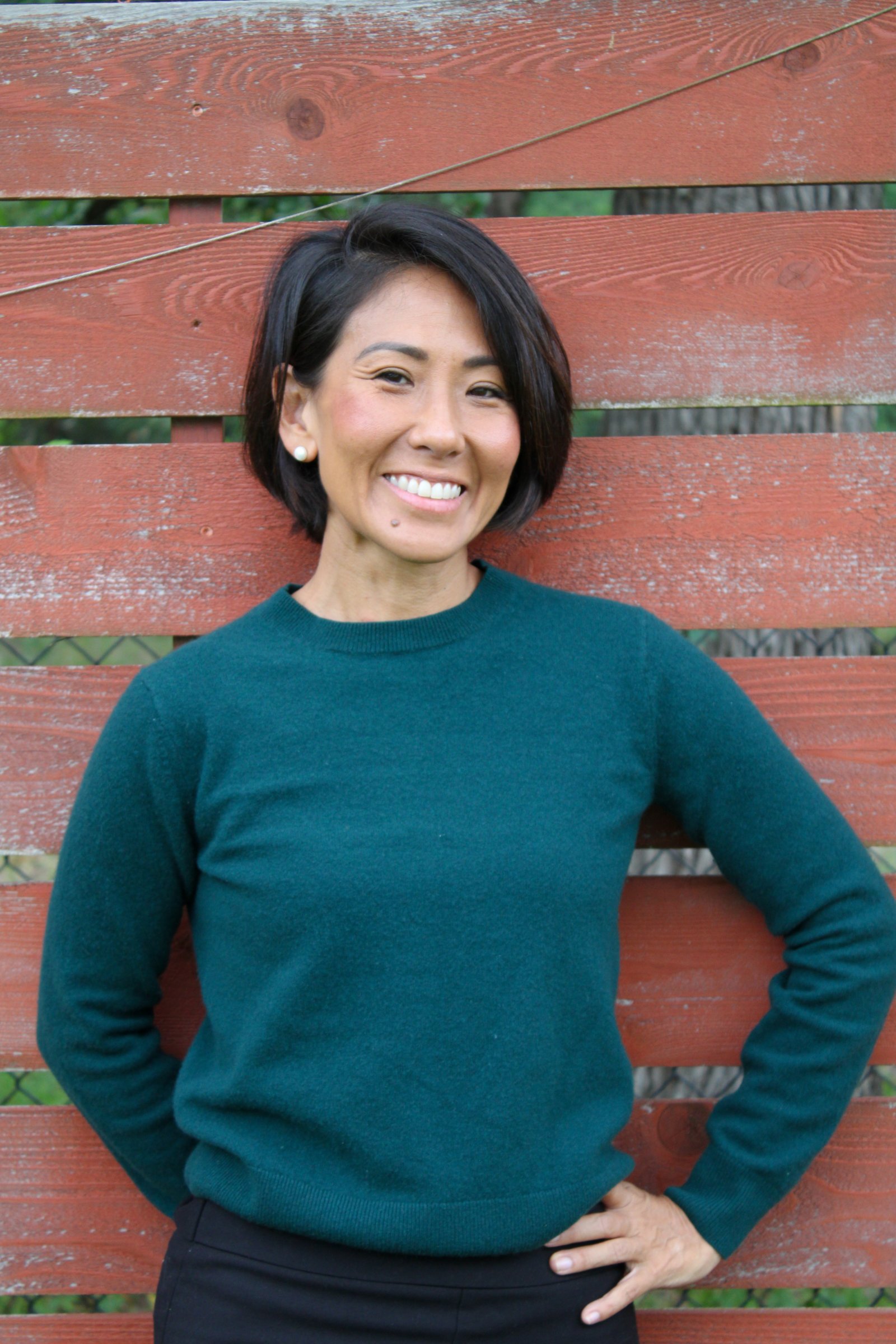
Dr. Olivia Ly Lesslar
Connecting mind, brain and body in personalised medicine
Dr Olivia Ly Lesslar is an Australian-educated medical doctor with degrees in Medicine and International Relations. Her work spans functional medicine, psychoneuroimmunology, preventative health, longevity, neurodegeneration and complex multi-system conditions, with a particular focus on looking beyond symptoms to understand the wider drivers of health.
She works with clinics, companies and organisations internationally, while practising medicine in Australia through Cingulum Health in Sydney, a neuro centre founded by Professor Charles Teo. There, she curates personalised programmes that may include neuroplasticity-focused approaches such as transcranial magnetic stimulation, hyperbaric oxygen, photobiomodulation, breathwork, rehabilitation and nutrition strategies.
A faculty lecturer at the Geneva College of Longevity Science, Dr Lesslar also has research activity listed across topics including rTMS, ME/CFS, post-COVID condition, allergy and neuro-oncology. At Copenhagen Health Week, she brings a systems-minded, evidence-informed perspective on how the mind, immune system, nervous system and everyday behaviours shape long-term wellbeing.
ABOUT THE SESSION
What medicine and science got wrong in the last 30 years
4 OCT · Impact Stage · 10:35
Two people can get the same MRI finding, the same operation or the same dose of a drug and end up with very different outcomes. Medicine has mostly built its routines as if everyone responds the same way. Dr Olivia Ly Lesslar thinks that assumption has cost patients dearly.
Olivia uses her Substrate-Reader Spectrum to look at how something that happens to the body (the substrate) meets the person it happens to (the reader). At one end of the spectrum the physics of the input decides everything, as with poison or trauma. At the other end the person's own state drives the response, as with placebo. Most of life sits somewhere in between, and where the balance falls differs from one person to the next.
She walks through cases where medicine got this wrong in both directions. Back pain was blamed on scan findings that plenty of pain-free people also have. Ulcers were blamed on stress until a bacterium was found, and endometriosis was dismissed as emotional for years. Drug doses were set from trials that mostly enrolled men. The talk ends on a practical question for clinicians and patients: what changes when care looks at the person meeting the input as well as at the input itself?
ABOUT THE SESSION
The 3Cs Framework: Charge, Coherence, and Capacity in Complex Chronic Conditions
4 OCT · Precision Stage · 11:35
This presentation introduces the 3Cs Framework - a systems-based model linking bioenergetics, network physiology, and clinical recovery in complex chronic conditions. The framework proposes that Charge, defined as electron availability, membrane potential, and redox headroom, underpins all higher-order regulation. Adequate charge maintains cellular polarisation and stabilises electrochemical gradients. These allow excitable tissues such as neuronal, muscular, endothelial, and immune to communicate efficiently. When charge is sufficient, these tissues can entrain and synchronise their activity, establishing Coherence, the dynamic alignment of oscillatory rhythms across neural, mechanical, and immune systems. This coherence reflects the body’s ability to maintain phase-locked, energy-efficient communication across scales such as cellular ion fluxes, brain wave patterns, heart rate variability and fascial tensioning. When charge collapses, these oscillators fall out of sync, producing signalling noise, autonomic instability, and impaired repair dynamics. Restoring charge is through modalities and lifestyle factors that are sympathetic to our evolutionary and circadian biology - light exposure, oxygen optimisation, electromagnetic and redox therapies. This terrain repair re-establishes the energetic headroom necessary for rhythmic coordination and responsive adaptation. From this restored coherence emerges Capacity which is the system’s natural tendencies and abilities to heal and adapt. This talk offers a clinical framework for understanding how bioelectrical sufficiency and multi-system synchrony can transition patients from compensatory survival toward sustainable adaptability.