SUNDAY 4 OCT
10:35 – 11:05
What medicine and science got wrong in the last 30 years
About the session
Two people can get the same MRI finding, the same operation or the same dose of a drug and end up with very different outcomes. Medicine has mostly built its routines as if everyone responds the same way. Dr Olivia Ly Lesslar thinks that assumption has cost patients dearly.
Olivia uses her Substrate-Reader Spectrum to look at how something that happens to the body (the substrate) meets the person it happens to (the reader). At one end of the spectrum the physics of the input decides everything, as with poison or trauma. At the other end the person's own state drives the response, as with placebo. Most of life sits somewhere in between, and where the balance falls differs from one person to the next.
She walks through cases where medicine got this wrong in both directions. Back pain was blamed on scan findings that plenty of pain-free people also have. Ulcers were blamed on stress until a bacterium was found, and endometriosis was dismissed as emotional for years. Drug doses were set from trials that mostly enrolled men. The talk ends on a practical question for clinicians and patients: what changes when care looks at the person meeting the input as well as at the input itself?
Speaker
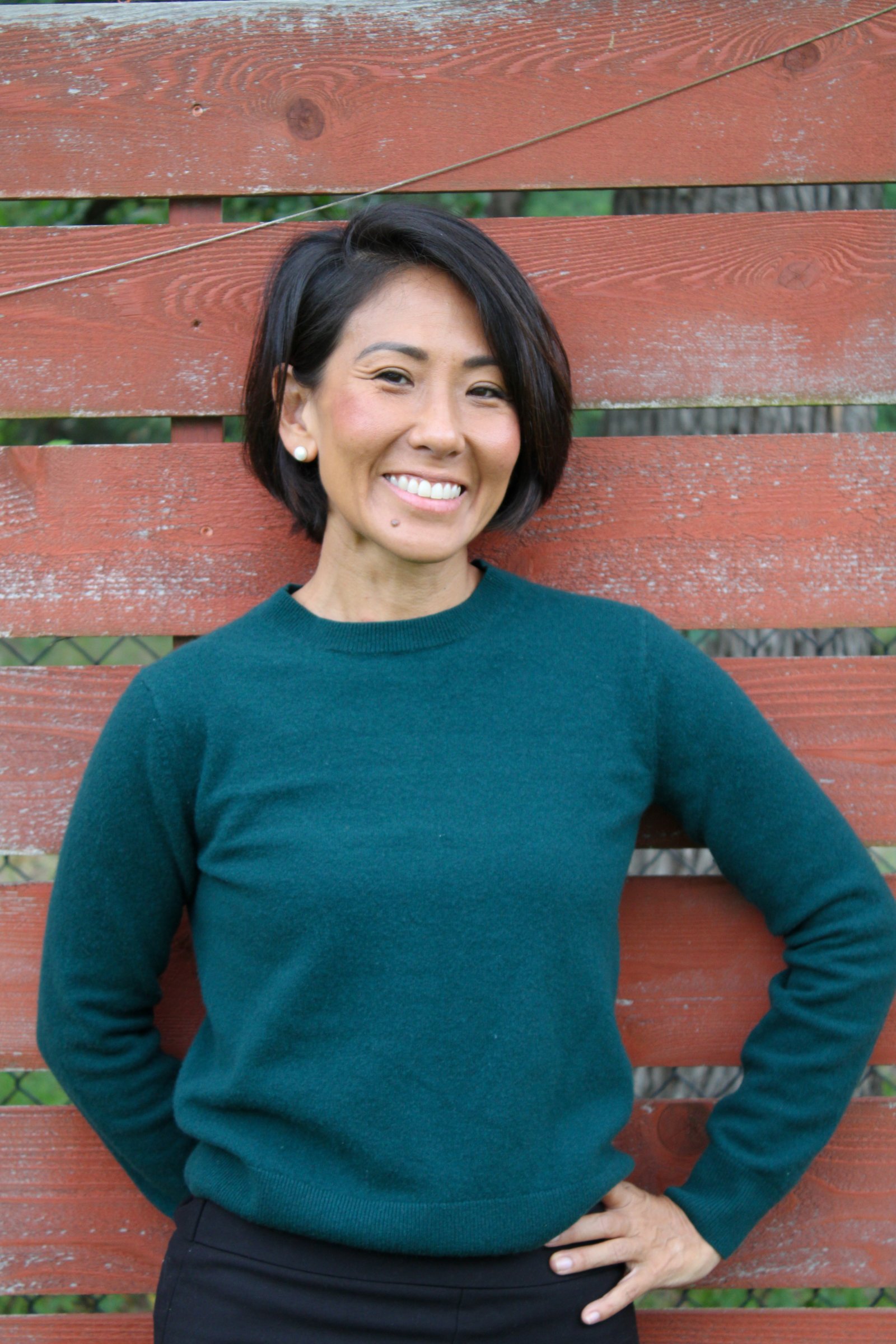 Dr. Olivia Ly LesslarConnecting mind, brain and body in personalised medicine
Dr Olivia Ly Lesslar is an Australian-educated medical doctor with degrees in Medicine and International Relations. Her work spans functional medicine, psychoneuroimmunology, preventative health, longevity, neurodegeneration and complex multi-system conditions, with a particular focus on looking beyond symptoms to understand the wider drivers of health.
She works with clinics, companies and organisations internationally, while practising medicine in Australia through Cingulum Health in Sydney, a neuro centre founded by Professor Charles Teo. There, she curates personalised programmes that may include neuroplasticity-focused approaches such as transcranial magnetic stimulation, hyperbaric oxygen, photobiomodulation, breathwork, rehabilitation and nutrition strategies.
A faculty lecturer at the Geneva College of Longevity Science, Dr Lesslar also has research activity listed across topics including rTMS, ME/CFS, post-COVID condition, allergy and neuro-oncology. At Copenhagen Health Week, she brings a systems-minded, evidence-informed perspective on how the mind, immune system, nervous system and everyday behaviours shape long-term wellbeing.
Your host on the Impact Stage
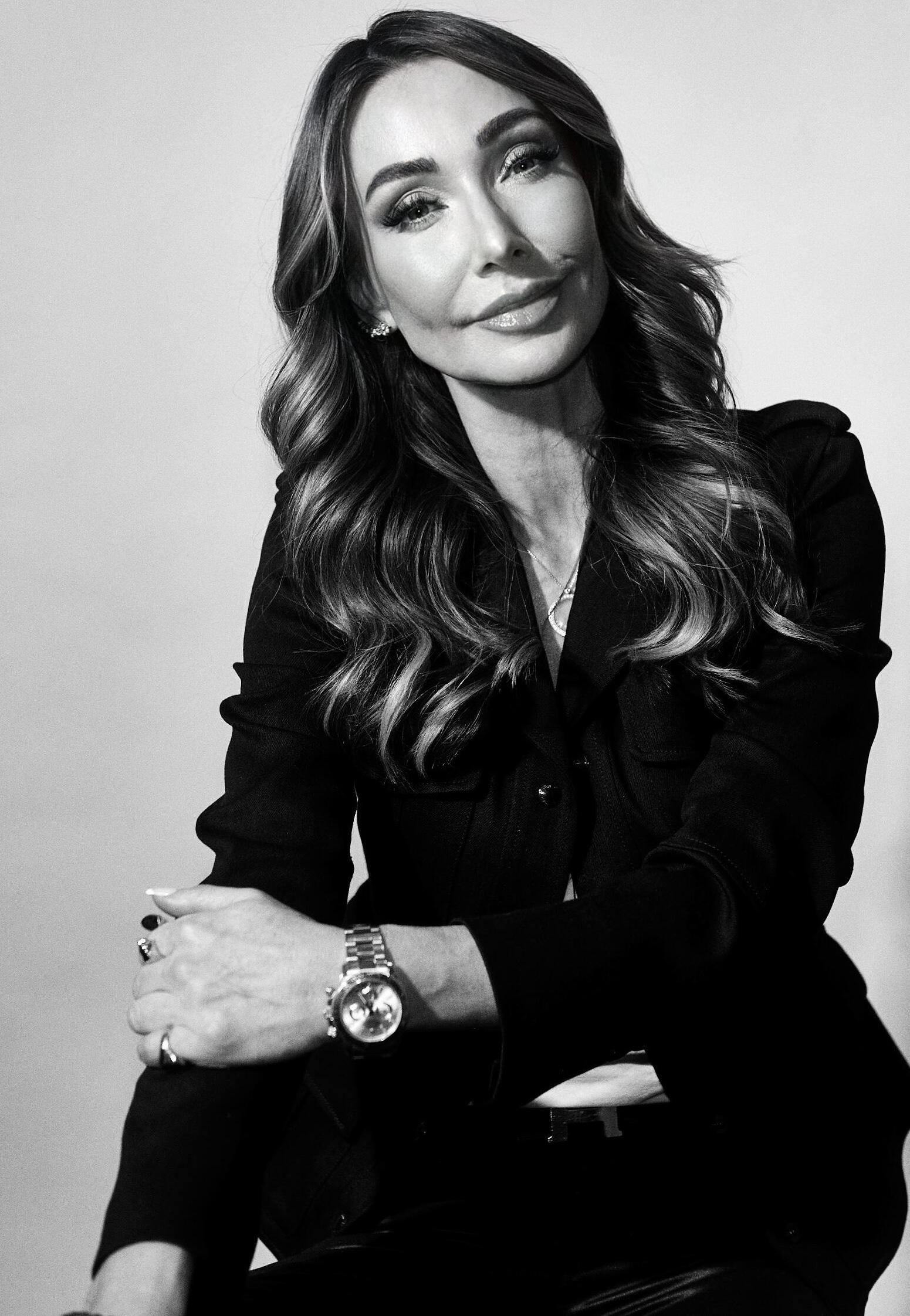 STAGE HOSTSabinije Von GaffkeFounding Partner, Super Human
Sabinije von Gaffke is an internationally recognized and award-winning moderator, speaker and entrepreneur operating at the forefront of longevity, science, AI and human potential. She is Founding Partner of Super Human, an exclusive, invitation-only global summit and network, Co-founder of BrainGym.co, and Founder of HUMAN™️.
Recognized for leading high-level, cross-disciplinary conversations with many of the world's foremost experts, Sabinije moderates and speaks on international stages at the intersection of longevity, science, technology and human potential.
Beyond the stage, she collaborates with leading organizations across longevity, hospitality and private communities to design human-centered longevity ecosystems that integrate science, strategic partnerships, meaningful experiences and human connection.
Her work is grounded in systems thinking and ecosystem design, integrating scientific advancement, infrastructure and human development—reflecting a broader vision of moving beyond optimisation toward coherence as the foundation for sustainable human potential. Her philosophy is simple: Longevity isn't simply about living longer. It's about expanding the human experience and unlocking human potential.
Øksnehallen, Halmtorvet 11, 1700 Copenhagen · All sessions are first come, first served.
SEE FULL PROGRAM